Buying Guides
How to Evaluate a Knitwear Supplier Before You Order
Evaluate knitwear manufacturers through technical clues before ordering. Review sample feedback, workshop machines, yarn storage, and pre-shipment inspection.
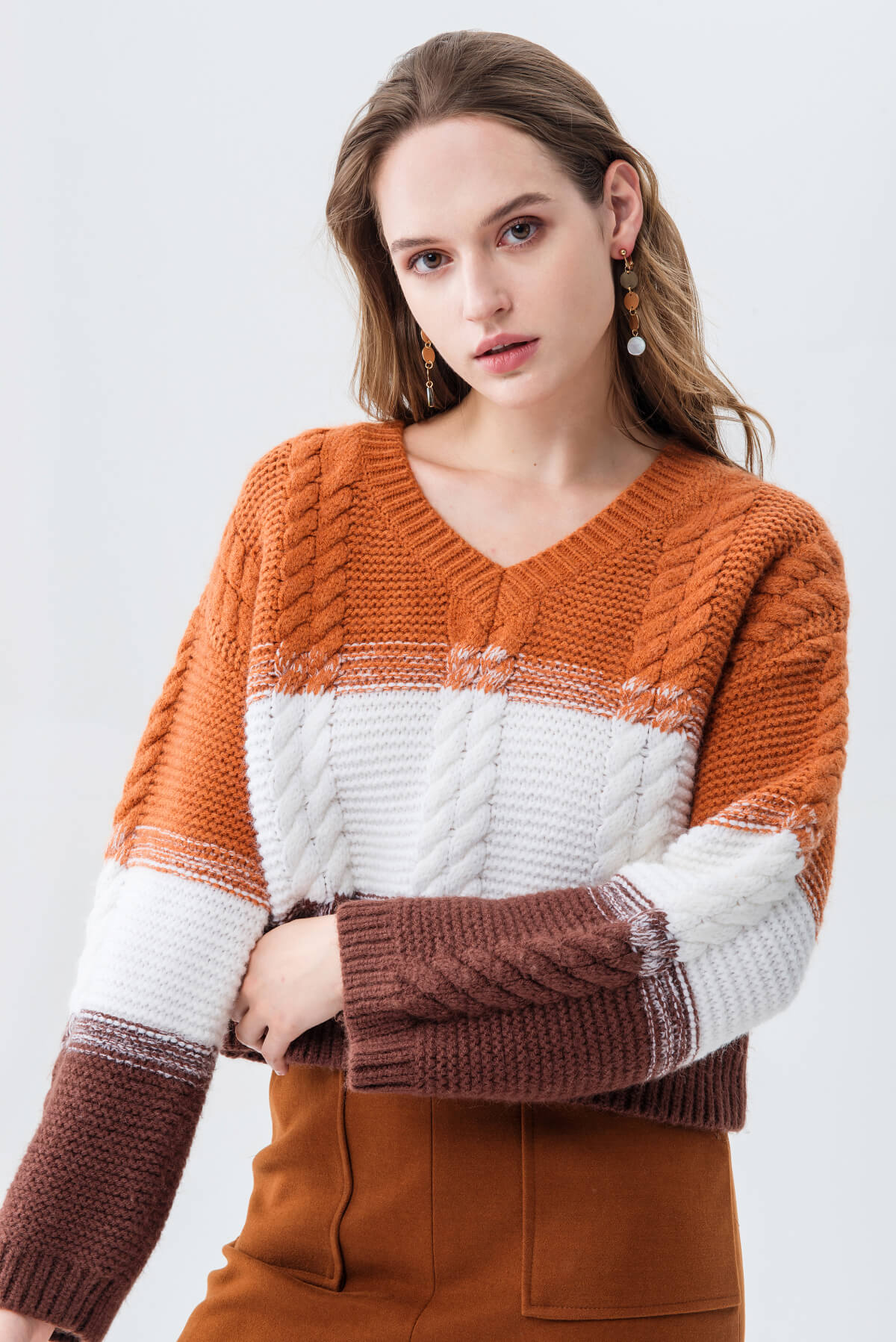
When reviewing knitwear supplier proposals, commercial quotes reveal little about how yarn behaves on a needle bed. Knitwear is an additive craft where yarn converts directly into panels, making generic checklists ineffective. Evaluating technical capabilities requires distinguishing operational signals from sales noise, since every production setup carries distinct strengths. Brands achieve far better outcomes by focusing on workshop clues, machine alignment, yarn storage, and finishing discipline before committing bulk capital.
1. Start with the Product, Not the Pitch
Sending an identical technical package to multiple suppliers compares operational depth directly. Response speed matters far less than the technical substance inside it.
Inquiry detail density: Capable technicians do not merely accept a sketch. They check yarn count against gauge, examine neck linking feasibility, and verify rib tension balances panel weight. When a supplier requests clarification on gauge density before touching yarn, they demonstrate practical familiarity with knit behavior.
Sampling feedback depth: How a workshop handles sample requests exposes engineering competence. Technicians with real production experience note fiber shrinkage or suggest yarn count adjustments to achieve target weight. Uncritical acceptance of complex sketches often indicates sales staff are filtering requests without consulting technicians.

2. Machine Range Must Match Your Target
Flat knitting machinery dictates the gauge range and garment weight a workshop produces. Evaluating equipment requires confirming that available machines match your product line.
Gauge alignment: Flat machines span coarse to fine gauges, and workshops organize around specific gauge bands. If your collection centers on fine 12GG or 14GG sweaters, a workshop that knits 3GG or 7GG chunky styles may struggle with delicate yarn tension. Confirming partner workshops routinely run your target gauge protects fabric density.
Knitting floor organization: Observing machine layouts during a visit shows equipment upkeep. Clean needle beds, lint hoods, and steady feeders reflect consistent maintenance. Inquire who prepares programming files and how technicians calibrate roller tension, as balanced roller tension keeps panels from curling during knitting.
3. Yarn Storage and Handling Clues
Because yarn is the core ingredient in knitwear, how a supplier stores raw materials directly influences finished garment stability.
Environmental control: Natural fibers absorb moisture rapidly, while synthetics develop static in dry air. Storing yarn cones in a clean, temperature-moderated space keeps fibers stable. If cones sit in damp corners, uneven moisture absorption leads to erratic stitch tension and dimensional drift across panels.
Lot segregation and tracking: Knitted panels show shading when cones from differing dye batches mix on a machine. Disciplined workshops organize cones by lot number and track inventory on dedicated racks. Verifying that a supplier maintains clear batch separation reduces the likelihood of visible shading bands across bulk sweaters.
4. Finishing and Inspection Are Where Knits Are Won
Panels off knitting beds look stiff and uneven. A finished sweater takes its final shape during wet processing, steam pressing, and final inspection.
Washing and dimensional control: Washing relaxes loop stress and clears spinning lubricants. Experienced technicians calibrate wash duration, water temperature, and drying cycles to match yarn composition. Checking wet processing reveals whether garments will maintain dimensions and soft hand feel after consumer laundering.
Dial linking and seam assembly: Panels join through dial linking, aligning matching loops needle by needle. Inspecting seams along armholes and necklines reveals craftsmanship. Seams must remain flexible without dropped loops, uneven tension, or bulky thread buildup.

Pre-shipment verification: An unusually low quote often signals that finishing and garment checking were shortened to cut production time. Thorough suppliers maintain inspection tables with balanced lighting, checking measurements, surface flaws, and trim alignment against approved specifications before compiling pre-shipment inspection reports.
5. Turning Signals into a Decision
Evaluating technical signals allows fashion brands to select knitwear partners based on observable capability rather than promotional claims.
Establishing practical trial runs: A controlled sample trial gives the clearest single read of a workshop. Providing a clear tech pack and observing how the workshop translates specifications into knit loops reveals turnaround and craftsmanship. Assessing prototypes in hand confirms whether linking, rib recovery, and wash stability meet standards.
Testing through small volumes: Flexible terms let brands test compatibility before financing bulk inventory. Minimum order quantities of 50 pieces per color per style alongside sampling in 5-7 days give developers the space to verify fit, workmanship, and pre-shipment reports on live styles.
When preparing a technical brief for upcoming knitwear, reviewing yarn parameters and panel construction with an experienced team creates a dependable foundation. Reach out to review your sketches, discuss yarn options, and plan an initial prototype sample.
fact-block: Guangzhou knitwear supplier established in 2018, operating through specialized partner workshops equipped with 3GG to 14GG flat knitting machinery, supported by dedicated quality control, pre-shipment inspection reports, and confidential development.